
Blog Details
- August 7, 2026
- 6 views
- 0
Everything a Player Needs to Know About Casino Account Verification Steps
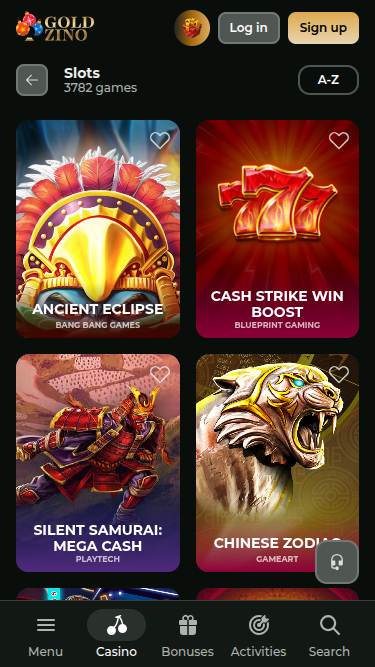
I’ve guided thousands of players through the registration flow at accès au compte Goldzino Casino, and I’m going to explain exactly how account verification operates, why it matters, and how to navigate without pointless delays. Verification is hardly some bureaucratic hurdle intended to frustrate you. It’s a security protocol that secures your funds, your identity, and the integrity of the gaming environment. When I guide a new player through the process, I highlight that every document request has a clear regulatory purpose. Once you comprehend that purpose, verification changes from an annoyance into a shared commitment to safety. I’ll walk you through the entire journey, from creating your credentials right up until your account is fully verified and ready for withdrawals.
What makes Casino Account Verification Is Necessary
Every time I describe verification to users, I start with the legal framework. Context eliminates confusion. Licensed online casinos function under strict anti-money laundering (AML) and counter-terrorist financing rules. These regulations mandate that operators recognize every customer before processing financial transactions above certain thresholds. I’ve witnessed regulators sanction platforms with massive fines when they view verification as optional. Beyond compliance, verification blocks account takeovers. Without identity checks, a bad actor who obtains your email and password could empty your balance and move to their own payment method. The same document requests that sometimes feel invasive are what prevent unauthorized access. I see verification as the digital version of a bouncer checking ID at the door of a secure, private club.
The Core KYC Document Submission Process
KYC protocols are central to casino verification, and I aim to demystify exactly what happens after you hit upload. The compliance team, a mix of automated systems and human analysts, matches your files against the registration data you provided. They check for consistency, authenticity, and clarity. Typically you’ll need three document categories: proof of identity, proof of address, and proof of payment method ownership. I always advise prepping these materials ahead of time. Doing so can shrink verification turnaround from days to hours. Submitting documents that meet the technical standards I’m about to describe sidesteps the most common rejection triggers: glare, cropped edges, and expired ID cards. Treat this like preparing evidence for a professional audit, and you’ll sail through.
Government-Issued Photo Identification Requirements
Your main identity document needs to be a valid, unexpired, government-issued document featuring your full legal name, date of birth, and a clear photo. Travel passports, national ID cards, and driver’s licenses are the ones I see most often. When you capture the photo, place the document on a dark, non-reflective background and use even, natural or diffused light. Direct flash creates hot spots that wash out details; angled shots cause perspective distortion that makes text hard to read. Make sure all four corners of the document are visible. For passports, set the photo page flat and keep your fingers out of the data fields. I don’t recommend using screenshots of digital wallet ID cards unless the casino explicitly says it’s okay. The original physical document or a high-resolution scan provides automated verification algorithms the clarity they need.
Frequent ID Rejection Reasons and How to Avoid Them
I’ve experienced hundreds of rejection notices, and the same issues appear every time. Lapsed papers top the list—players sometimes provide an old passport without checking the expiry date. Blurry photos come next, usually from low light or trembling hands. The solution is to set your phone or camera on a firm platform and use the timer to remove motion blur. Cut-off borders are the third most common rejection, because compliance teams need the full document border for forensic checks. Security features and security features must be apparent, so angled lighting that conceals reflective elements will create issues. Inconsistent names between your registration and the ID set off automatic flags. If your ID includes a middle name but you excluded it during sign-up, that mismatch halts verification. Send exactly what your document shows.
Address Verification Through Service Bills and Bank Statements
The second piece of KYC verifies your residential address with a document from a recognized institution. I advise a utility bill for electricity, water, gas, landline, or internet. Bank statements and official government letters also work, as long as they show your name, address, and a recent date. The document can’t be older than three months. I emphasize this point because players will submit a bill from six months ago and wonder why it got rejected. Digital statements downloaded from your bank or utility provider are generally accepted, but they must show the issuer’s logo, your details, and the statement period. Don’t send phone screenshots that crop out identifying info—those will be denied. Whenever I handle my own address verification, I download the PDF statement straight from the source and upload it untouched.
Payment Option Verification for Deposits & Withdrawals
To attach a payment method to your account, you need to verify you own it, and this step safeguards you from unauthorized card use. For credit and debit cards, I advise players to take clear photos of the physical card, front and back. The front image should show the first six and last four digits; hide the middle digits and the CVV on the back before you upload. Never reveal your full card number or CVV—a legitimate casino will never ask for those unmasked. For e-wallets like Skrill or Neteller, you’ll usually upload a screenshot of your profile page showing your registered email and name matching your casino account. Bank transfer verification generally requires a screenshot or PDF of a bank statement with the account holder name, IBAN, and recent transaction details. I prepare these uploads to match the withdrawal method I plan to use, which streamlines future cashout requests.
Login Troubleshooting and Account Recovery
Even security-minded players face access snags, and understanding the recovery path lessens the stress when it happens. The most common login fail is a incorrectly entered password, often compounded by caps lock being on or a switched keyboard language. I start troubleshooting by checking my input method and using the password visibility toggle to check each character. If too many wrong attempts activate a temporary lockout, I wait out the cooldown instead of pushing against it, which only prolongs the lock. The password reset process dispatches a link to the verified email on file. That process hinges entirely on email access, so I keep my email account secured with strong authentication. Being locked out of both your casino account and your email leads to a messy recovery situation that requires you to re-verify your identity with support manually.

Recovering Access When Documents Are Expired
I’ve run into situations where a player’s registered ID expires between sign-up and a recovery attempt. Support could ask for the renewed document before restoring access, which turns into a problem if the player hasn’t gotten the new one yet. In those cases, I advise reaching out to support early, with a clear explanation and copies of any interim docs, like a renewal receipt or a temporary paper license from the government. Most reputable casinos have procedures for handling these edge cases without locking you out permanently. Transparency and quick communication are key. If you overlook the issue or try to submit altered documents, you’ll transform it into a compliance investigation. I always emphasize honesty when dealing with verification teams—they’re trained to work with legitimate players who have genuine document hiccups.
Contacting Support for Verification Assistance
When file rejections keep happening or verification stalls with no reason given, contacting support directly often fixes it in one go. I suggest live chat for real-time help, because the support staff can tell you precisely the issue with your submission while you’re still at your desk. Before I contact them, I gather all necessary paperwork, note the exact error message, and keep my account info ready. That preparation shortens the chat and shows I’m a compliant, verified customer. Email support is more effective for complex cases that demand document checking or a senior compliance officer. I don’t send repeated inquiries in a 24-hour period—that can splinter the ticket and slow things down. A patient, understanding approach with support always helps you pass verification faster.
Creating Your Account: The Initial Stage of Verification
Validation begins prior to uploading a single document. At Goldzino Casino, the registration form gathers the essential details that are required to match your official records exactly. I must underline: the care you use here determines how smoothly everything downstream goes. You fill in your full legal name, date of birth, residential address, and phone number, establishing a profile that each uploaded document will be checked against. A single typo, a misspelled street name or a digit transposed in your birth year, produces a mismatch and starts a manual review. I recommend treating the registration screen like a government form. Take your time, double-check every field, and make sure what you type matches your ID exactly.
Choosing a Strong Password and Securing Your Credentials
Setting up a password isn’t always positioned as part of identity checks, but it acts as the first gatekeeper of your account’s security. I advise players to create passwords that far exceed the minimum. A mix of uppercase, lowercase, numbers, and special characters extending over at least twelve characters makes brute-force attempts costly in computing power. Never repeat a password from another service. Credential stuffing attacks, where hackers submit leaked database dumps into login forms, are one of the leading ways accounts get breached. Your casino password should be unique. If you cannot recall complex passwords, a solid password manager handles that without reducing security. And enabling two-factor authentication, which I’ll get into soon, adds a second barrier that works even if your password leaks.
Email Confirmation as an Identity Check
The first automated verification check arrives in your inbox shortly after you sign up. That confirmation email contains a unique link, active for a limited time, that proves you control the email address tied to the account. I’ve watched many players ignore this https://www.bbc.co.uk/sport/golf/62665385 step and then wonder when certain features stay locked. Until you click that link, the platform views your email unverified, which can block deposits and stop bonus eligibility. The link becomes invalid for good reason: lingering, unclaimed confirmation tokens form a theoretical attack vector. If the link becomes invalid before you act, you can request a new it from the login page. I always advise checking your spam folder if the email isn’t visible within five minutes. Add the casino domain to your contacts or safe sender list so future transactional messages arrive in your inbox, not the junk pile.
Two-Factor Authentication and Persistent Account Security
Verification doesn’t stop once your documents get verified; it continues into how you operate your account day to day. Two-factor authentication is the best enhancement you can make to your account’s defenses. After inputting your password, you’ll require a time-based code from an authenticator app or received via SMS. That signifies even if someone steals your password or it is breached in a breach, they cannot log in without your phone. Where practical, stick with authenticator apps over SMS, because SIM-swapping attacks can hijack text messages. Enable 2FA immediately after your account gets confirmed, and store the backup recovery codes somewhere disconnected and safe. If you lose access to your authenticator and have no backup codes, you’ll have to go through identity re-verification with the compliance team.
Device Recognition and Sign-In Tracking
Advanced casino platforms use device fingerprinting, tying your account to the hardware and browser setups you commonly use. Each time I log in from a new device, I anticipate to see a security email informing me to the unfamiliar access attempt. That creates a tripwire that gives me time to react if someone seeks to access my account from a strange location. I maintain a habit of checking the recent login history in my account settings now and then. The log reveals timestamps, approximate location, and device type for every session. If I notice an entry I don’t identify, I change my password right away and contact support. This little routine converts account monitoring from a passive hope into an active security check. Approach unfamiliar login records with the same urgency you’d assign an unexpected bank transaction.
Inactivity Logout and Auto Logout Policies
Casino platforms impose session timeouts, disconnecting you after 15 to 30 minutes of inactivity. I view this as a benefit, not an inconvenience. If you keep your session active on a shared or public computer, the automatic logout blocks the next person from touching your balance, betting, or requesting a payout. I advise logging out manually every time you complete a session, especially on a phone that could get stolen. The few extra seconds to log back in later are nothing compared to the damage an open session could inflict in the wrong hands. When I guide new players on security, I treat manual logout like fastening your car after you park. It requires almost nothing and wipes out a whole category of risk.
Withdrawal Verification and Supplementary Security Levels
When you initiate a withdrawal, a secondary review kicks in, and it catches off guard a lot of players. The platform verifies whether the payment method you want to withdraw to is already authenticated under your name. If it isn’t, the compliance team pauses the withdrawal and requests documents tying you to that payment instrument. I’ve also seen large withdrawal amounts, beyond a cumulative threshold over a short period, prompt enhanced due diligence. That might involve a source-of-funds questionnaire or extra financial documents. The point isn’t to delay payments. It’s about fulfilling regulatory rules around high-value transfers. I tell players to verify in advance any withdrawal method they plan to use, even if it’s different from their deposit method. Providing those documents ahead of time can shorten the gap between withdrawal request and approval to just hours.
The Source of Funds Declaration Process
When your deposits or withdrawals exceed specific limits, the compliance team may request a source of funds or source of wealth declaration. I address it by supplying documents that demonstrate where the gambling money was sourced legitimately. Payslips, tax returns, business financials, asset sale contracts, or inheritance letters are all acceptable. The core idea is transparency. The documents should provide a clear, logical trail from the declared source to the funds in your casino account. I treat this request knowing that regulators require casinos prevent their platforms from being used to layer dirty money. couverture détaillée Responding fast with organized, legible documents accelerates the process. Clamming up or giving vague explanations creates friction and can lead to account restrictions that you could easily avoid.
Withdrawal Method Matching and Closed-Loop Rules
A lot of licensed casinos employ a restricted or preferential payment system, meaning they attempt to send withdrawals back to the initial deposit method where feasible. I describe this since it confuses players who pay in with a card and then wish to withdraw to a bank transfer. The reasoning ties right back to anti-money laundering regulations: sending money back to the origin creates an auditable trail that regulators appreciate. If your deposit method is blocked, expired, or does not accept funds, the casino will generally let you use an alternative after you verify ownership. I suggest keeping your deposit methods active and unexpired until you’ve entirely withdrawn any associated winnings. Terminating a bank account or canceling a card before your withdrawal processes just adds extra hoops and hinders access to your cash.
Sustaining Long-Term Account Health
Your verified status doesn’t last forever. It requires renewal as documents expire or rules change. I establish recurring calendar reminders to check expiration dates on my ID and address proofs. When something is about to expire, I submit the replacement before the old one runs out, so my verified status stays active. I perform a quick security audit each month—review account activity, login locations, and linked payment methods. It requires less than five minutes. I also monitor the email tied to my account for anything unexpected. Phishing scams that look like casino emails can be quite believable, and I treat any message asking for sensitive documents or login details with huge skepticism. Instead of clicking links in emails, I head straight to the casino site via a bookmark. That removes the risk of credential harvesting through fake domains. Staying vigilant is the price of a secure, verified gaming experience.
pax95032